
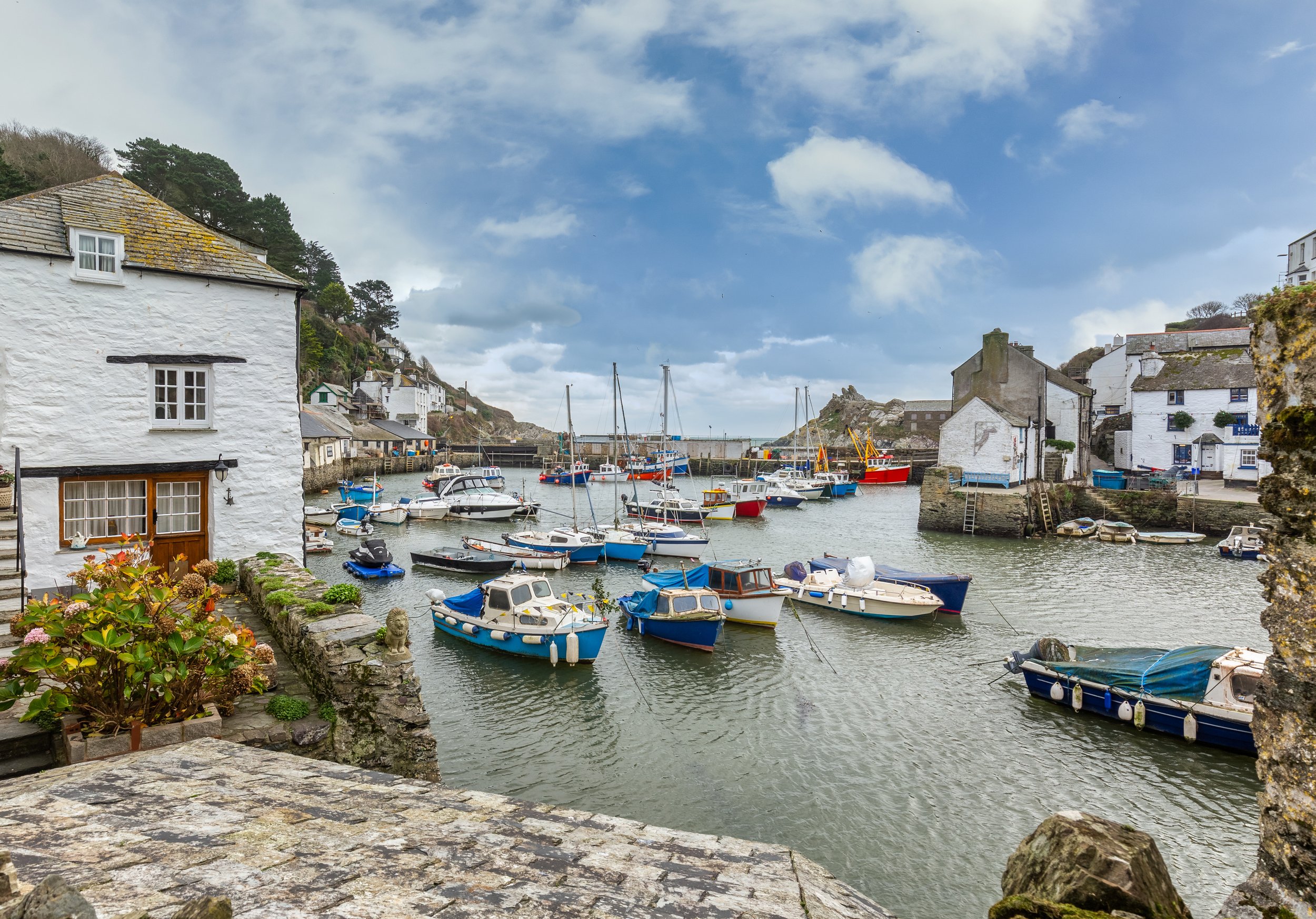
Polperro
Polperro is a village best discovered at an unhurried pace. Its size, setting and sense of history combine to create a place that feels both intimate and quietly captivating.


A quintessential Cornish
fishing village
Hidden in the folds of the cliffs between Fowey and Looe, Polperro is considered by many to be Cornwall’s most picturesque fishing village, with its winding lanes, historic harbour and timeless coastal charm. Shaped by fishing and smuggling, the village retains a strong sense of character, where traditional cottages step down towards the water and life still moves at a gentler pace. Today, Polperro is a place to wander, explore and slow down, whether you’re watching boats in the harbour, following the coastal path, or simply soaking up the atmosphere.
On your doorstep…
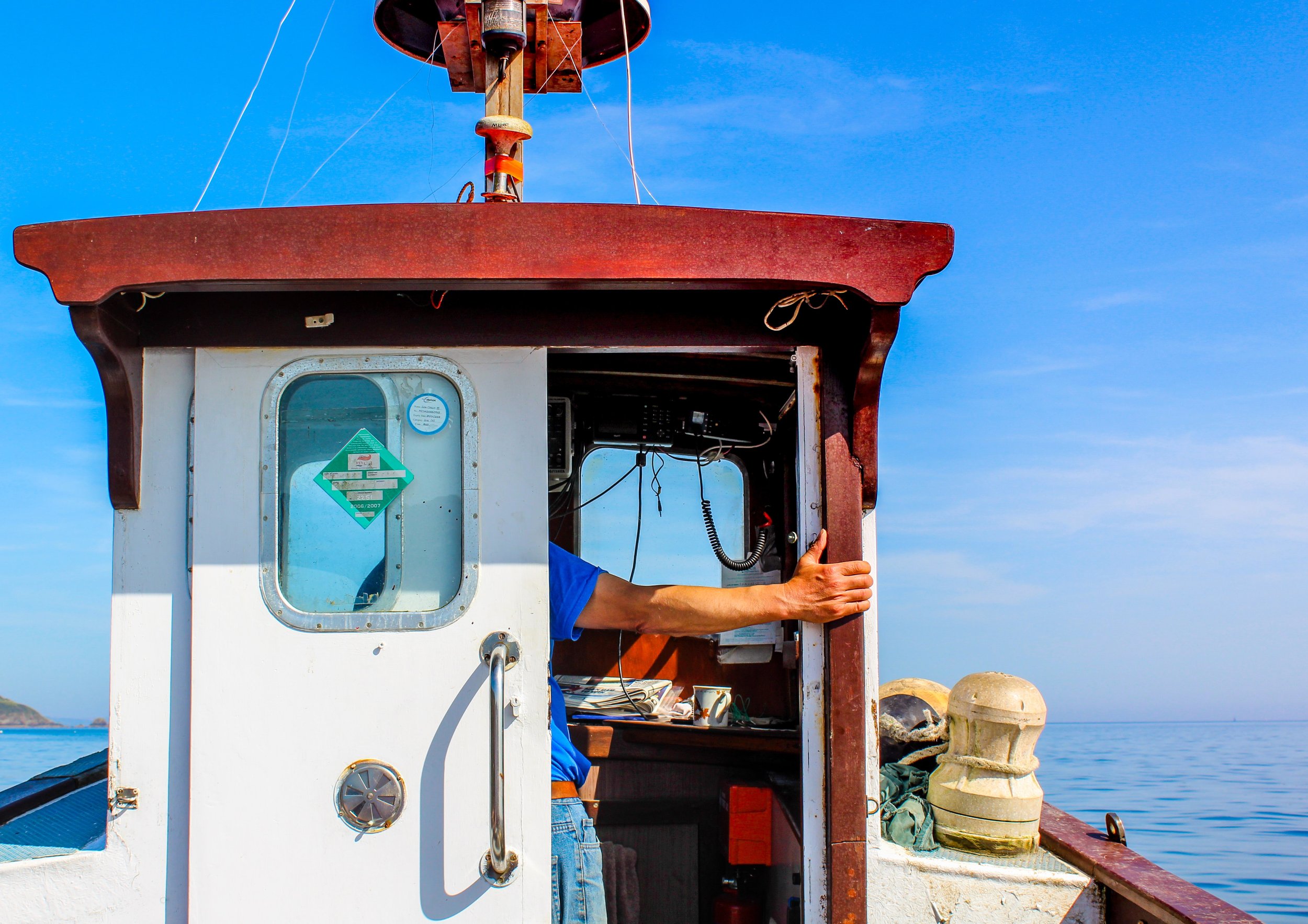
There is always something to enjoy in Polperro, whether you’re looking for gentle adventure or simple pleasures by the sea. Boat trips depart from the harbour, with dogs welcome on board, while the shoreline offers plenty to explore — from rock pooling at low tide to fishing from the rocks, or heading out on an organised fishing trip. For something more traditional, a crabbing line and a quiet corner of the harbour can provide hours of simple fun.
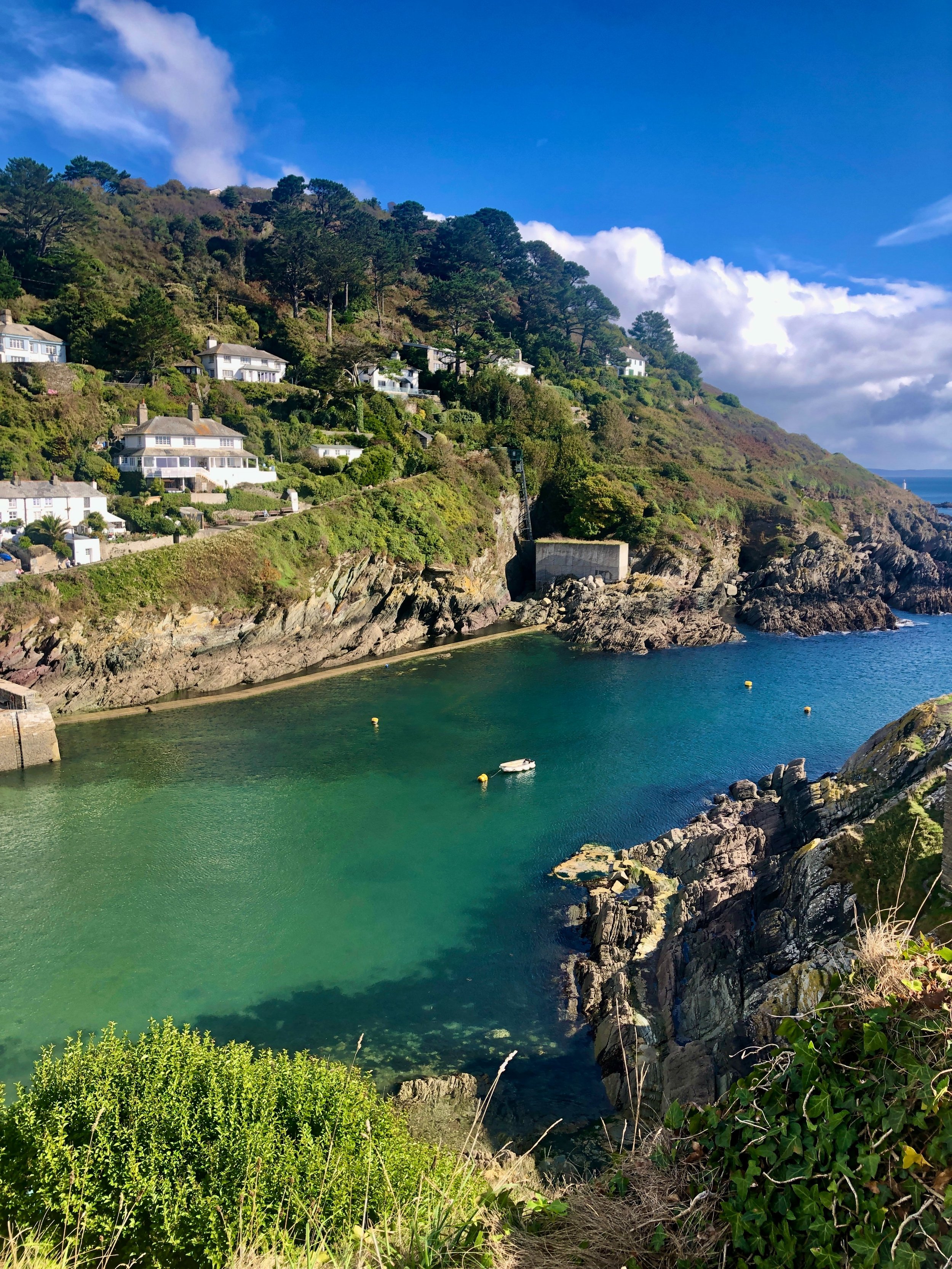
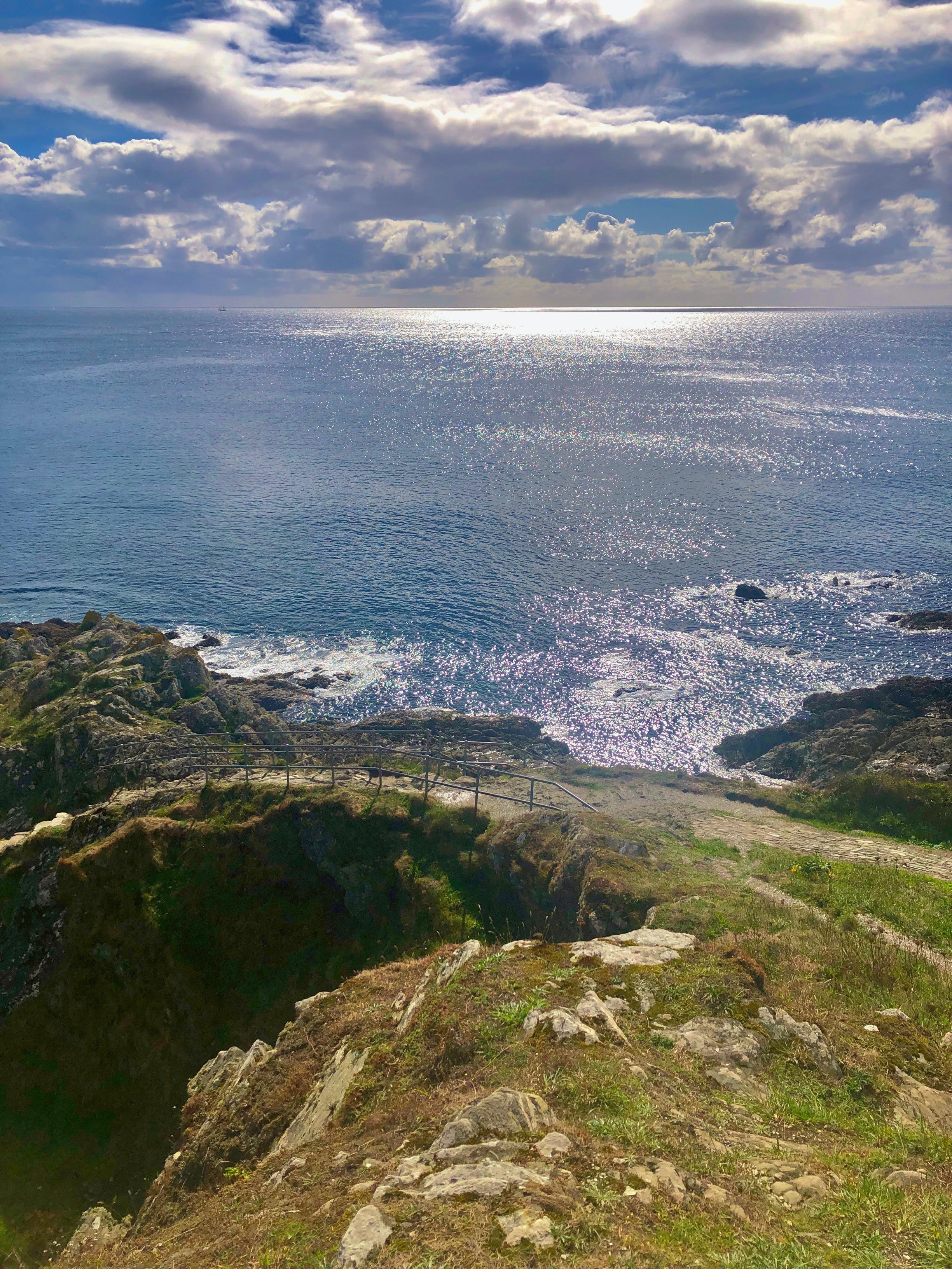
Polperro sits directly on the South-West Coast Path, offering coastal walks in both directions, from gentle strolls to longer, more rewarding routes with far-reaching sea views. The village itself is home to a thoughtful selection of independent gift shops and art galleries, alongside opportunities to understand Polperro’s past with a visit to the Polperro Heritage Museum of Smuggling and Fishing, a small but fascinating local museum that traces the area’s maritime history and traditional industries. At low tide, a small sandy beach becomes accessible for several hours either side of the tide and is well suited to families with young children. For something a little different, the model village offers a charming glimpse of Polperro in miniature and is well worth a visit.

Eating & Drinking
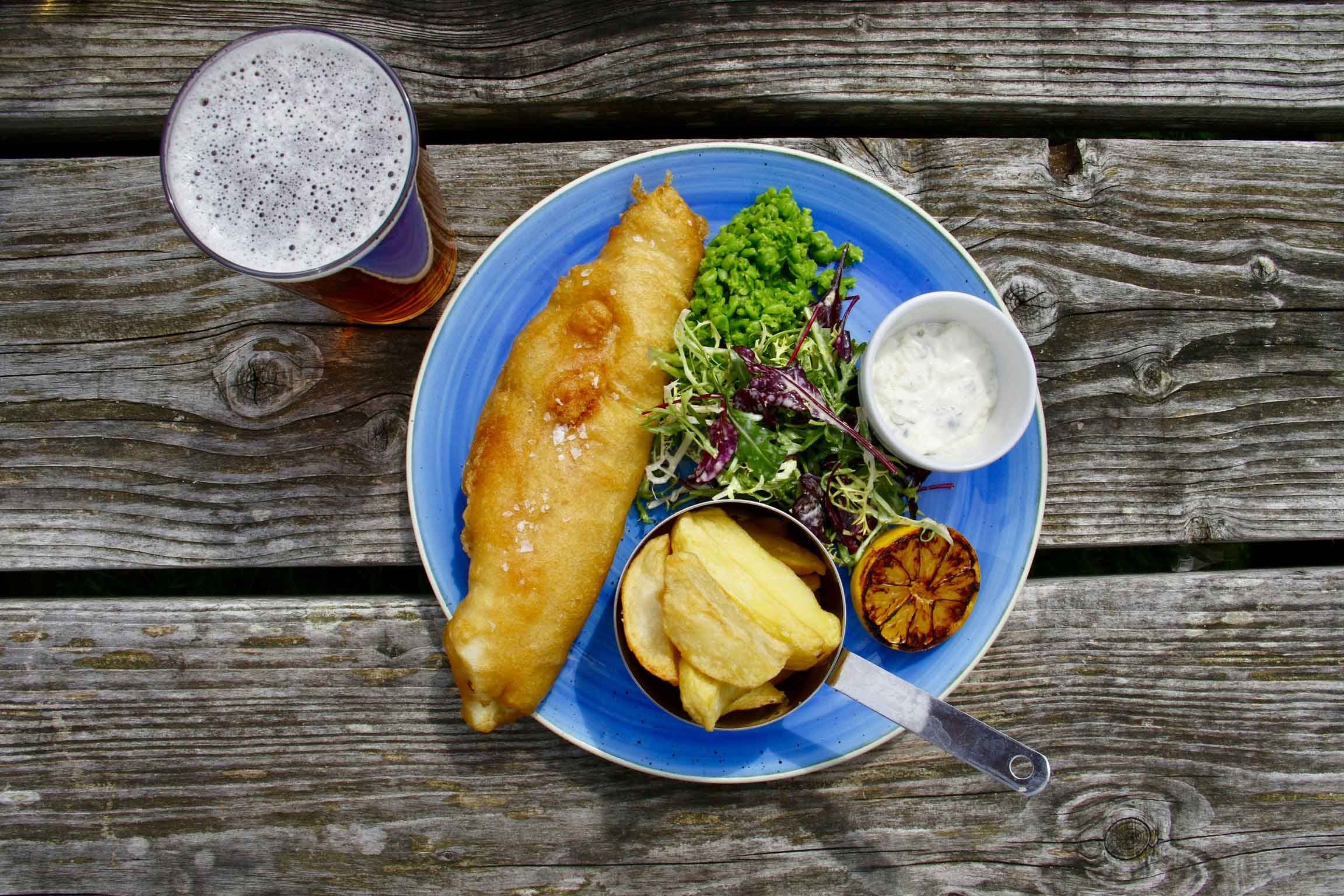
Polperro offers a wide and varied food scene, with plenty of places to eat and drink dotted throughout the village. Options range from relaxed, informal bites to more leisurely dining, making it easy to find something to suit your mood. At weekends, some of the local pubs host live music, adding to the village atmosphere in the evenings. If you’d like suggestions during your stay, we’re always happy to share a few local favourites.
And within easy reach…
The Eden Project
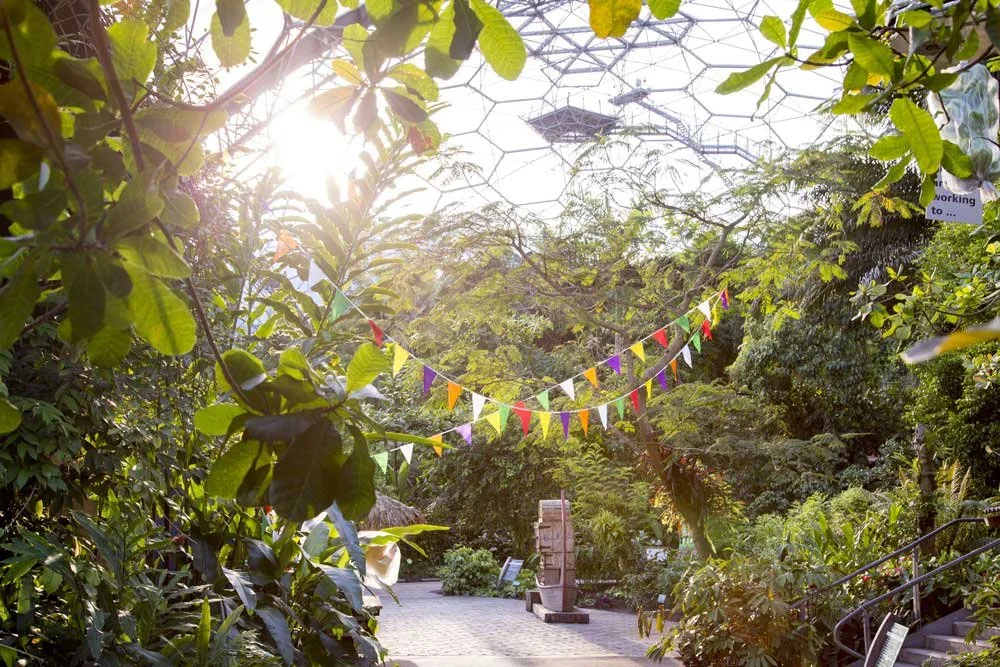
Possibly the 8th wonder of the world this construction of the worlds largest greenhouses is a collection of amazing tropical plants and it is still growing. The Eden project is a giant global garden and it is situated in an old china clay pit the size of 35 football pitches in order to accommodate the 47-metre high tropic domes. Because of the 50-metre depth of the crater practically hiding the domes and gardens you don’t see the wonder until you reach the visitor centre on the very lip of the crater.

The Lost Gardens of Heligan
Close to Mevagissey. Approx. 20 miles via Bodinnck ferry. The award winning Lost Gardens of Heligan, asleep for more than seventy years, are now the scene of the largest garden restoration project in Europe. In the spring of 1991 the gardens lay beneath a blanket of bramble, ivy, rampant laurel and fallen timber. Just one year later the restoration team opened the gardens to enable the public to share in the excitement of their discovery. Heligan is now established as a world famous “Living Museum of 19th century horticulture, and truly a great full day out.

Cotehele House
House and gardens, owned and run by The National Trust – near Callington. At the heart of this riverside estate, the house at Cotehele was mainly built 1485-1627 and was a home of the Edgcumbe family for centuries. Its granite and slatestone walls contain intimate chambers adorned with tapestries, original furniture and armour. Outside, the formal gardens overlook the richly planted valley garden below, with medieval dovecote, stewpond, Victorian summerhouse and an 18th century tower. Cotehele Mill has been restored to working condition and at the Quay there are interesting old buildings housing an art and craft gallery and an outstation of the National Maritime Museum. The restored Tamar sailing barge Shamrock is moored alongside.

Antony House
Near Torpoint approx. 20 miles. One of Cornwall’s finest early 18th-century houses, faced in lustrous silvery-grey Pentewan stone, offset by colonnaded wings of red brick and set within grounds landscaped by Repton overlooking the Lynher river. These include the formal garden with the National Collection of Day Lilies and fine summer borders, and the superb woodland garden with its outstanding displays of rhododendrons, azaleas, camellias and magnolias. Also of note are the 18th-century dovecote and the 1789 Bath Pond House. Antony has been the home of the great Cornish family of Carew for almost 600 years.

Lanhydrock House
House and gardens, owned and run by The National Trust – near Bodmin. The finest house in Cornwall, superbly set in 450 acres of wooded parkland and encircled by a garden of rare shrubs and trees, lovely all seasons, especially magnificent in Spring. Make sure you have enough time to view all 49 rooms. First built in the 17th century and largely rebuilt after a fire in 1881, the principal rooms all have beautifully worked plaster ceilings, including that of the Long gallery magnificently illustrating Old Testament scenes. Through the crenellated gatehouse (1661) an idyllic walk down to the river Fowey at Respryn Bridge and back should not be missed.
Looe - a wonderful walk away
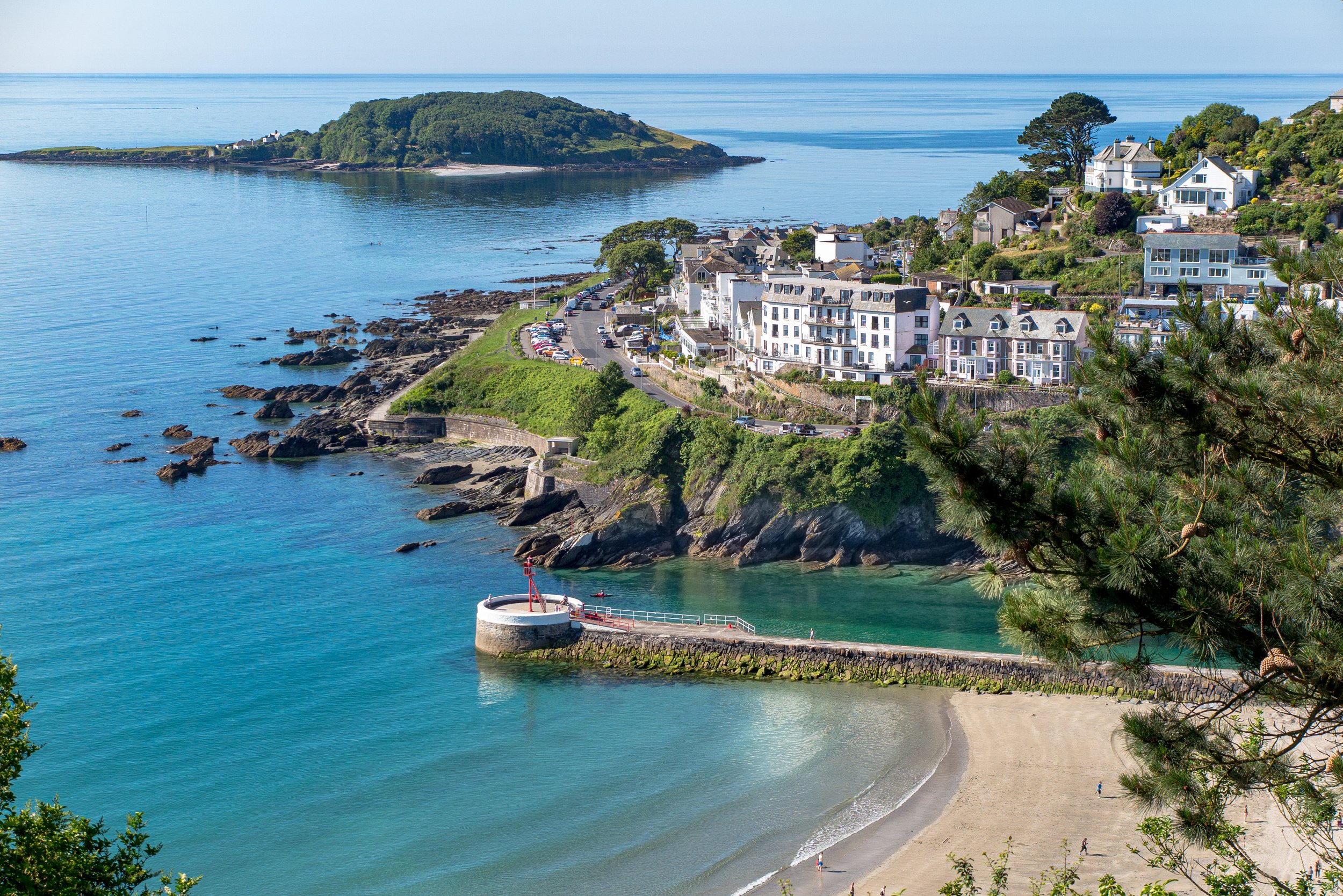
One of the most rewarding walks from Polperro follows the South West Coast Path east to the nearby town of Looe. The route is about 5.5 miles (around 9 km) and generally takes around 2½ to 3 hours each way, with varied terrain and lovely seascapes along the way.
Looe itself is a lively fishing harbour and traditional seaside town, linked by a distinctive seven‑arched bridge between East and West Looe, and a great destination to explore after your walk.
East Looe has a broad sandy beach and a lively town centre with cafés, restaurants, shops and the Old Guildhall Museum, while West Looe offers a quieter riverside atmosphere and additional places to eat and relax along the water. Please note that dogs are not permitted on the main beach in East Looe, though there are dog‑friendly areas nearby along the seafront and at Hannafore Beach.